
Timing in dance is best described as moving to the beat of the music.

In a dance competition timing should be precise and clear to the adjudicators. If you are off time the adjudicators won’t excuse you no matter how good your performance is. However, as you progress through the levels the adjudicators expect more in relation to musicality, expression and rhythm [a post for another day me thinks :)].
Understanding music will help improve your timing. For example if you listen to waltz music you can hear 1, 2, 3 1, 2, 3 throughout the piece. The first beat 1 will be stronger (accentuated) than the 2 and 3 which are lighter. Most dance teachers will use music for beginners that emphasise the 1 beat. The object is to take 3 steps at the same time as these beats e.g. Right Foot Closed Change or Left Foot Closed Change. Check the link below.
A good way to learn timing is to clap your hands with the music before trying the steps. Personally I give my students 2 pens or spoons (or what ever is available really) and get them to tap the 1 beat using their right hand with one pen and tap the 2, 3 beat using their left hand and pen with the music. I compare the 1 beat with a bang on a drum and the 2, 3 beats as taps on a cymbal……….. (ok so my brother is a drummer lol!)
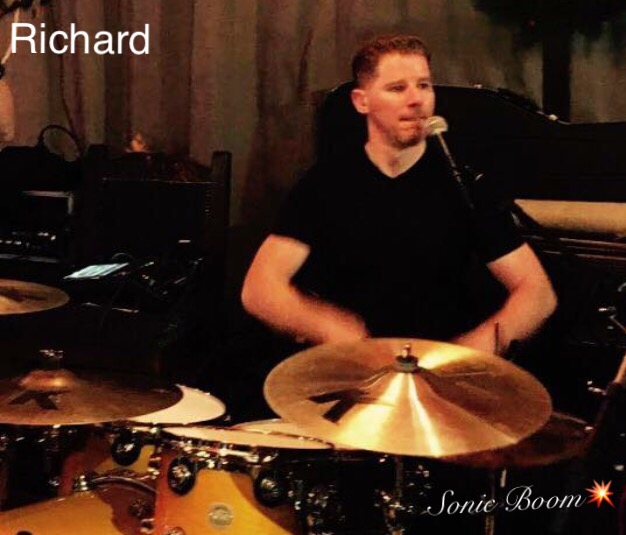 BOOM TZIZT TZIZT, BOOM TZIZT TZIZT, BOOM TZIZT TZIZT, BOOM TZIZT TZIZT
1, 2, 3 1, 2, 3 1, 2, 3 1, 2, 3 (4 bars of music)
Anyway that’s all for now guys, hope you are enjoying my little titbits and finding them useful, be back soon x
KEEP DANCING
 Fiona Hutton
If you pronounce 1 they will use a big step. If you go to the side you stop the movement
If you go forward and to the side you will pronounce the 2 more a d you get a smooth movement. If you count 123 223 they da cer will he the music better
LikeLike