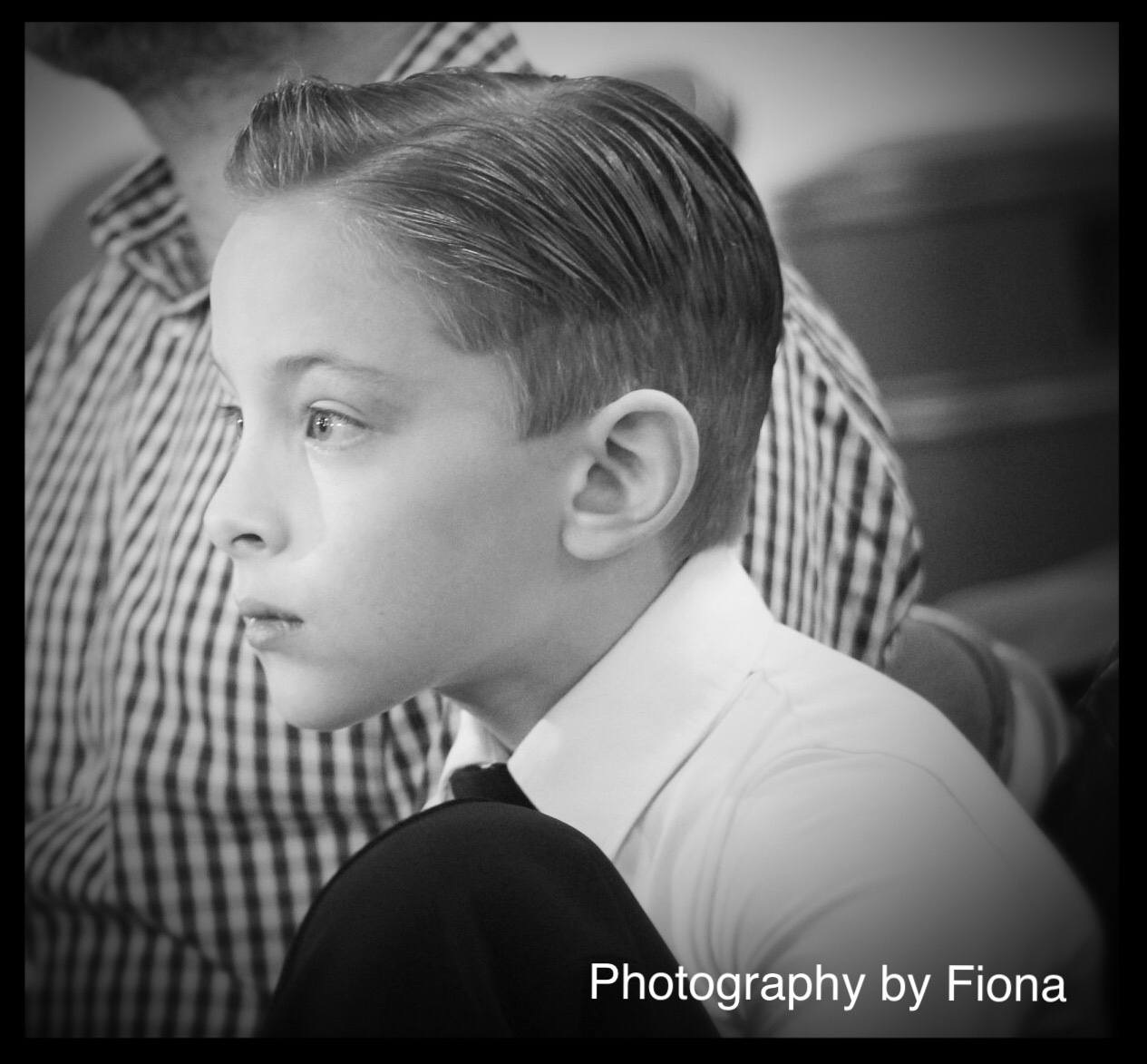
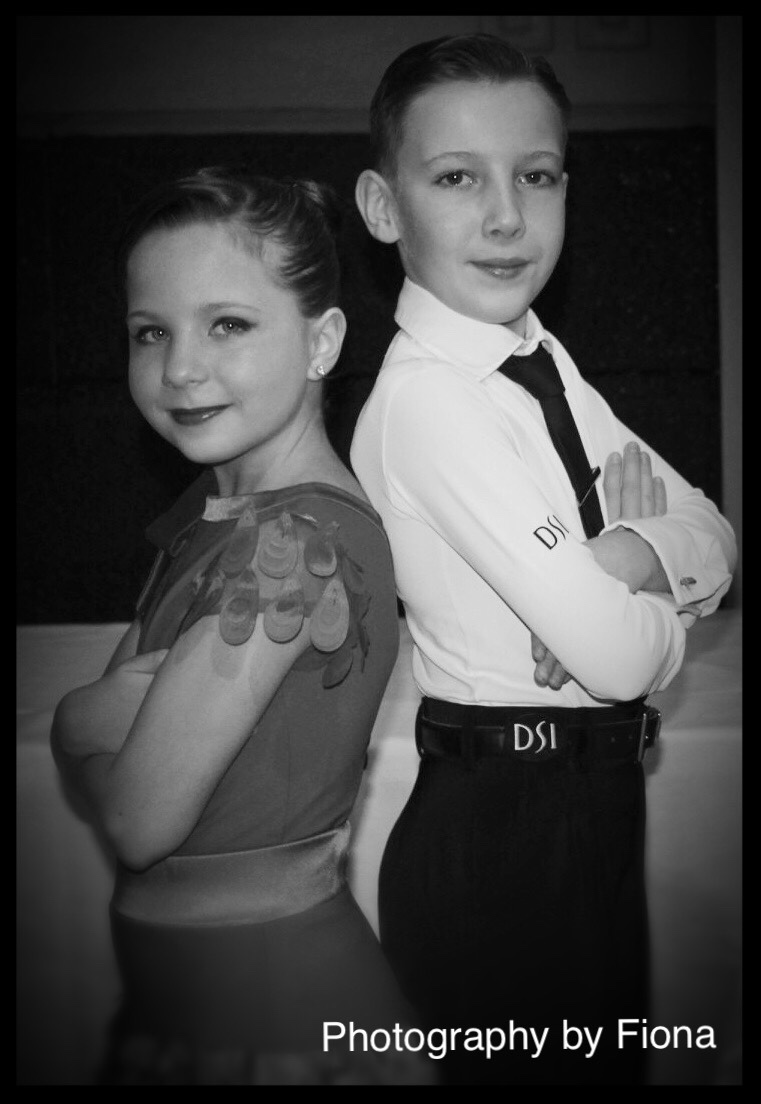
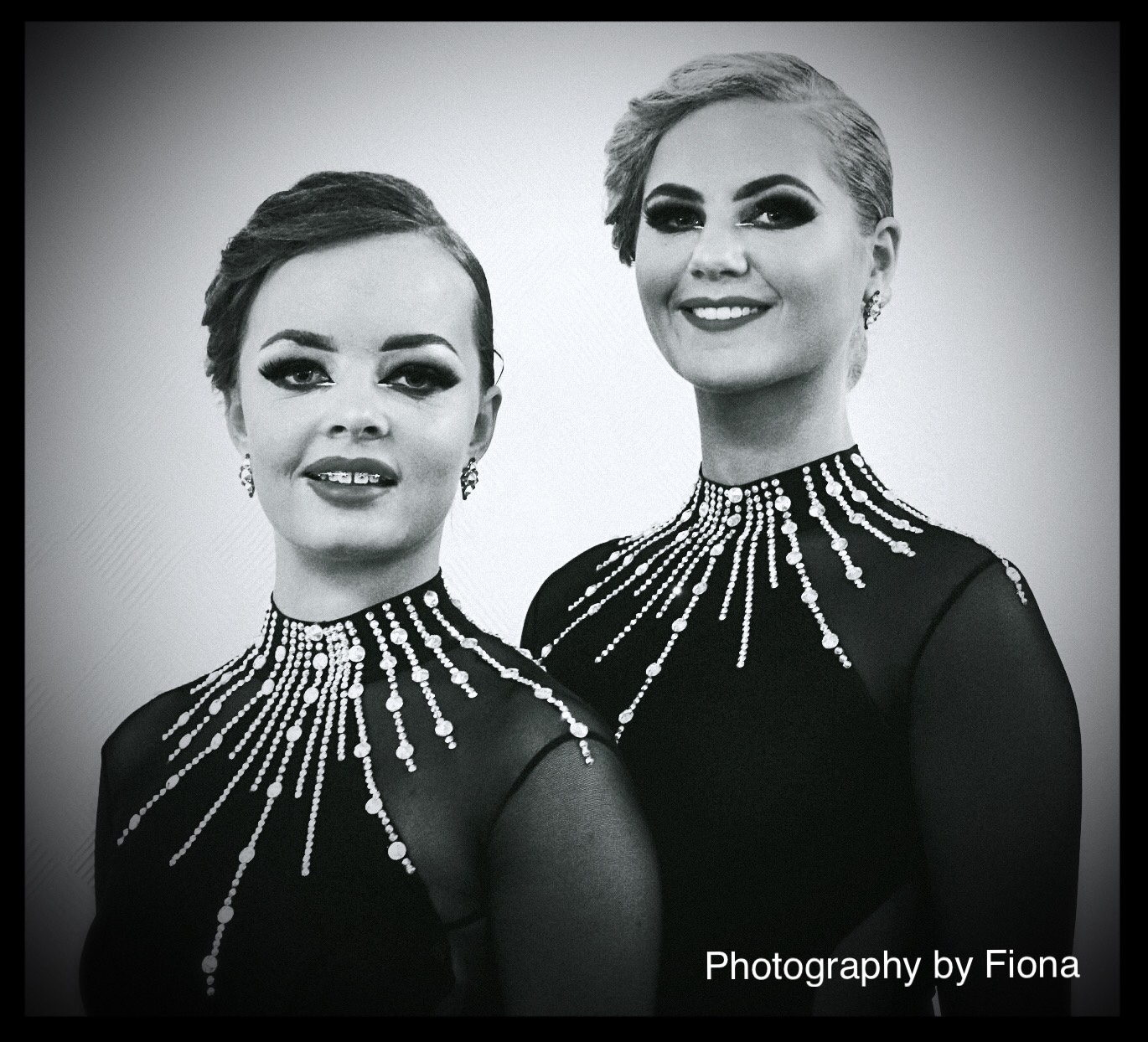
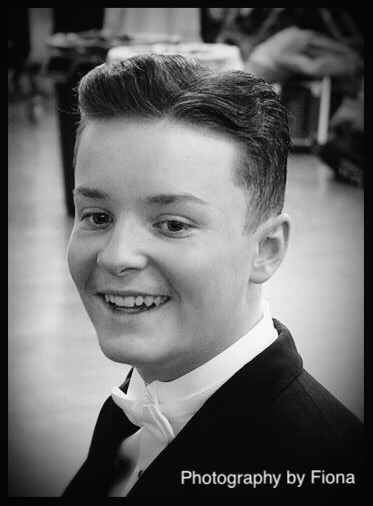
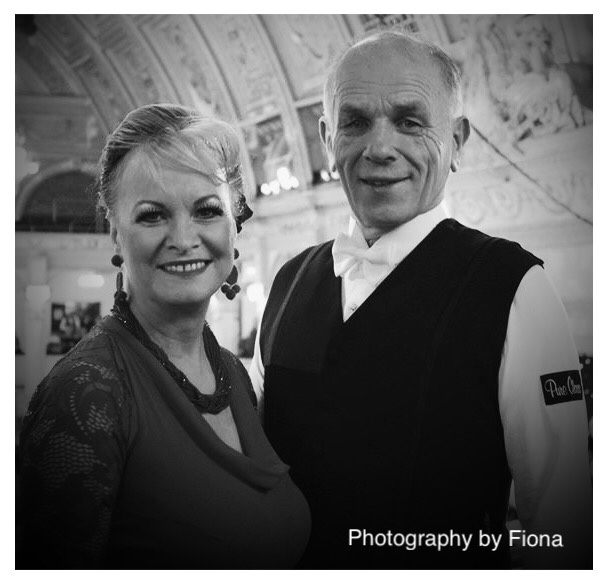
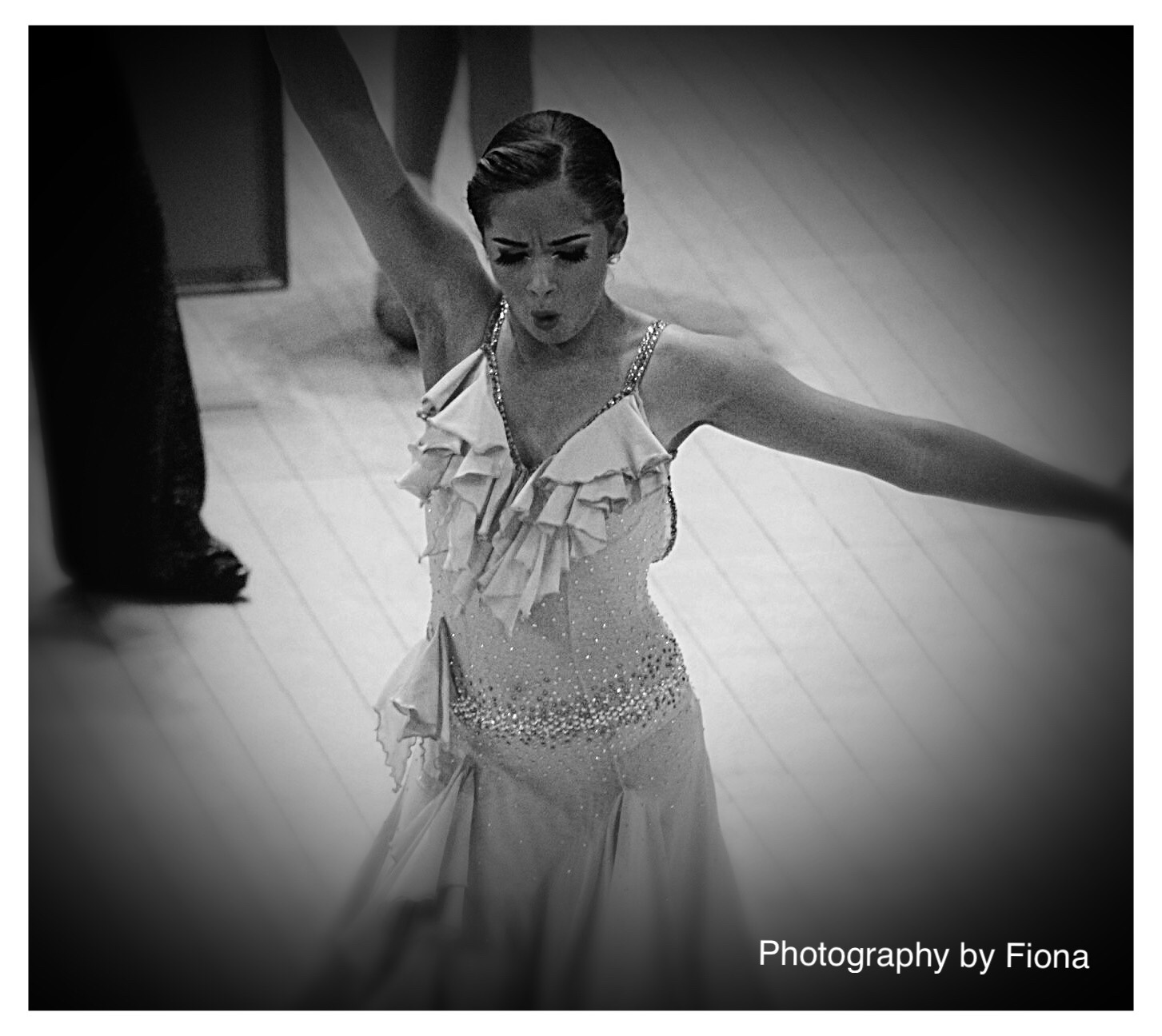
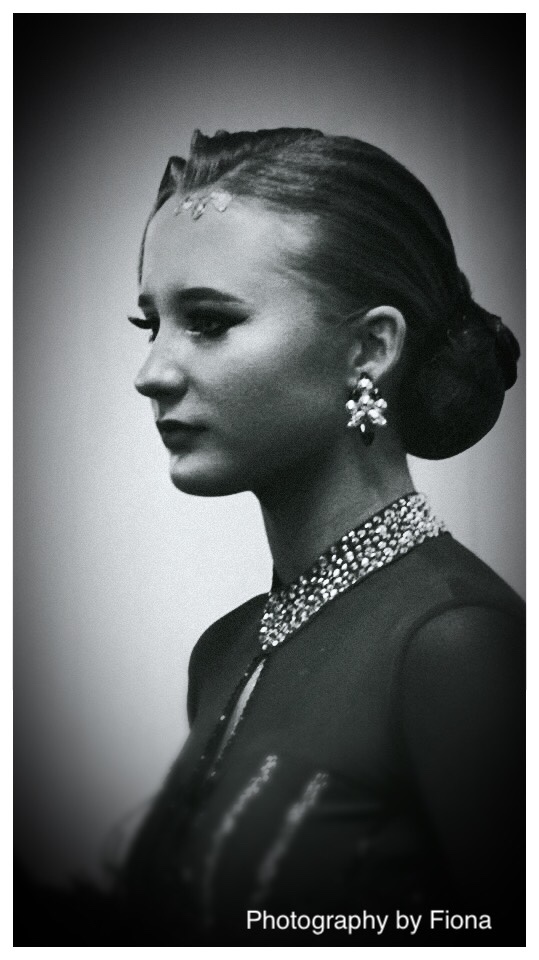
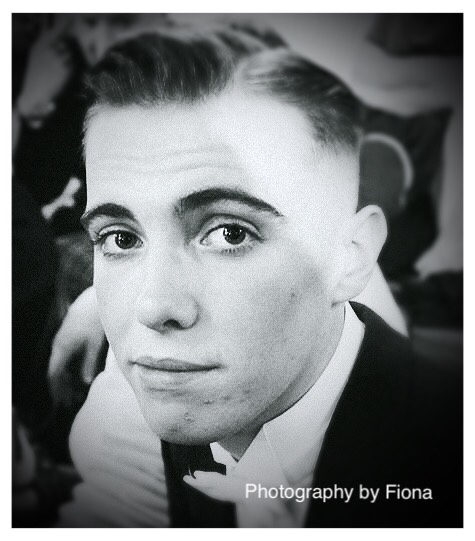
Competition day prep…

Questions to ask yourself….

Do you and your partner have a plan/goal?

Do you know where you are starting each dance?

How do you enter and exit the competition floor?

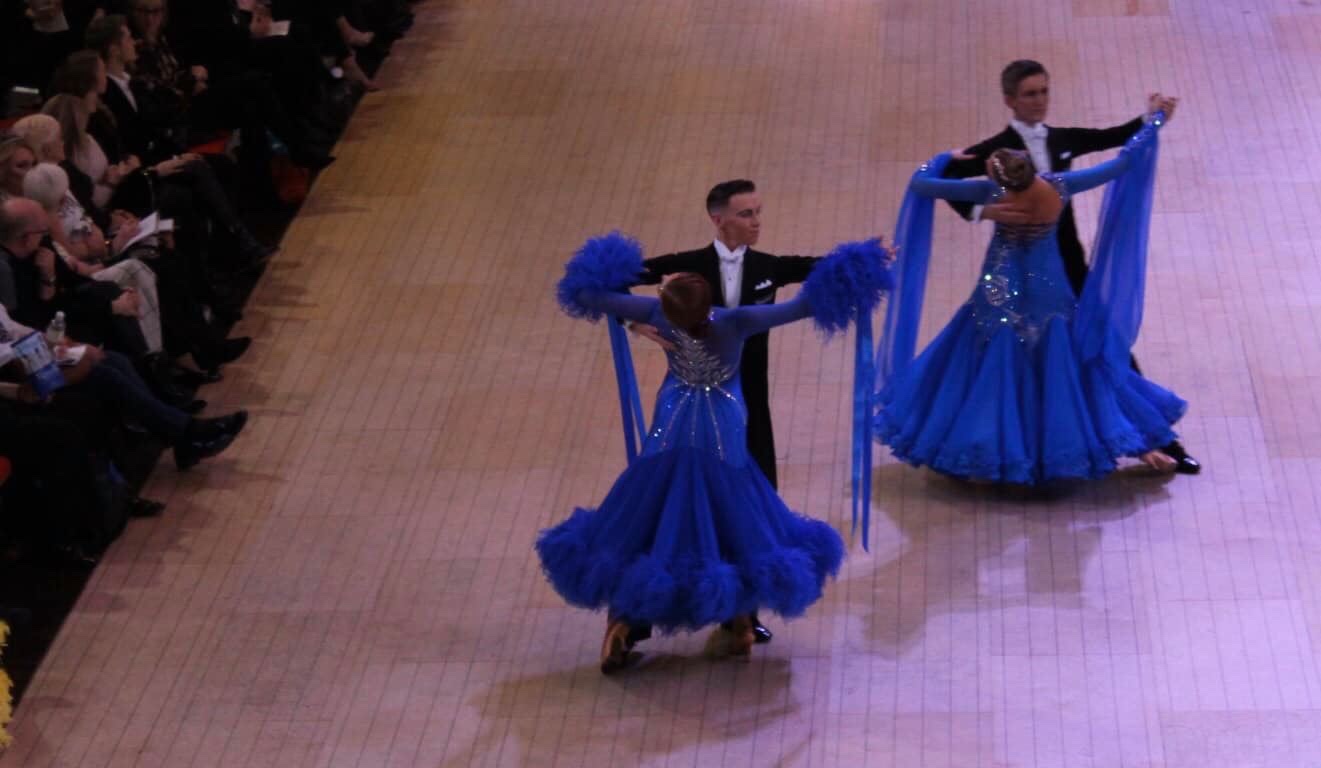
How do you carry yourself?

How do you stand? You will already look better than someone hunched if you stand up straight (judges/audience will be predisposed to thinking you are good 😉)

Chin and eyes up, shoulders back and relaxed.

And remember confidence comes from knowing your routines and being well rehearsed.

Adjudicators already know by the way you are presented and walk on to the floor as to how you might perform and how well you are prepared.

FIRST IMPRESSIONS ARE IMPORTANT!!!

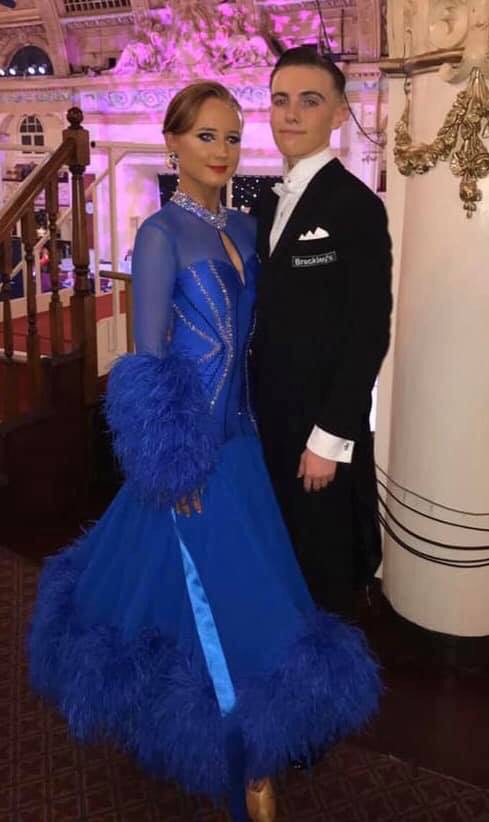
Presentation guidelines for competitive dancing

Smart/Groomed/Impeccable

Competition wear can be extremely expensive; however, you should never take shortcuts such as asking a dressmaker or friend to make one.

There is a certain skill and cut to making these costumes fit like a glove and always best to purchase from a reputable ballroom/latin costume provider.

Dress code rules may apply for starters, beginners, novice grades, particularly in the children’s catagories.

Always check with your teacher/coach as to what suits or is appropriate before purchasing.

Mens pants should almost touch the floor when wearing shoes, tails jackets should fit correctly across the shoulders to give a nice clean shape/line when arms are in position.

If wearing a waistcoat please ensure that the shirt is not visible around the waistline when arms are in position.

Wear socks that match the colour of your pants.

Shirts, bowties, hankies or any white costume should be washed separately to avoid discolouration.

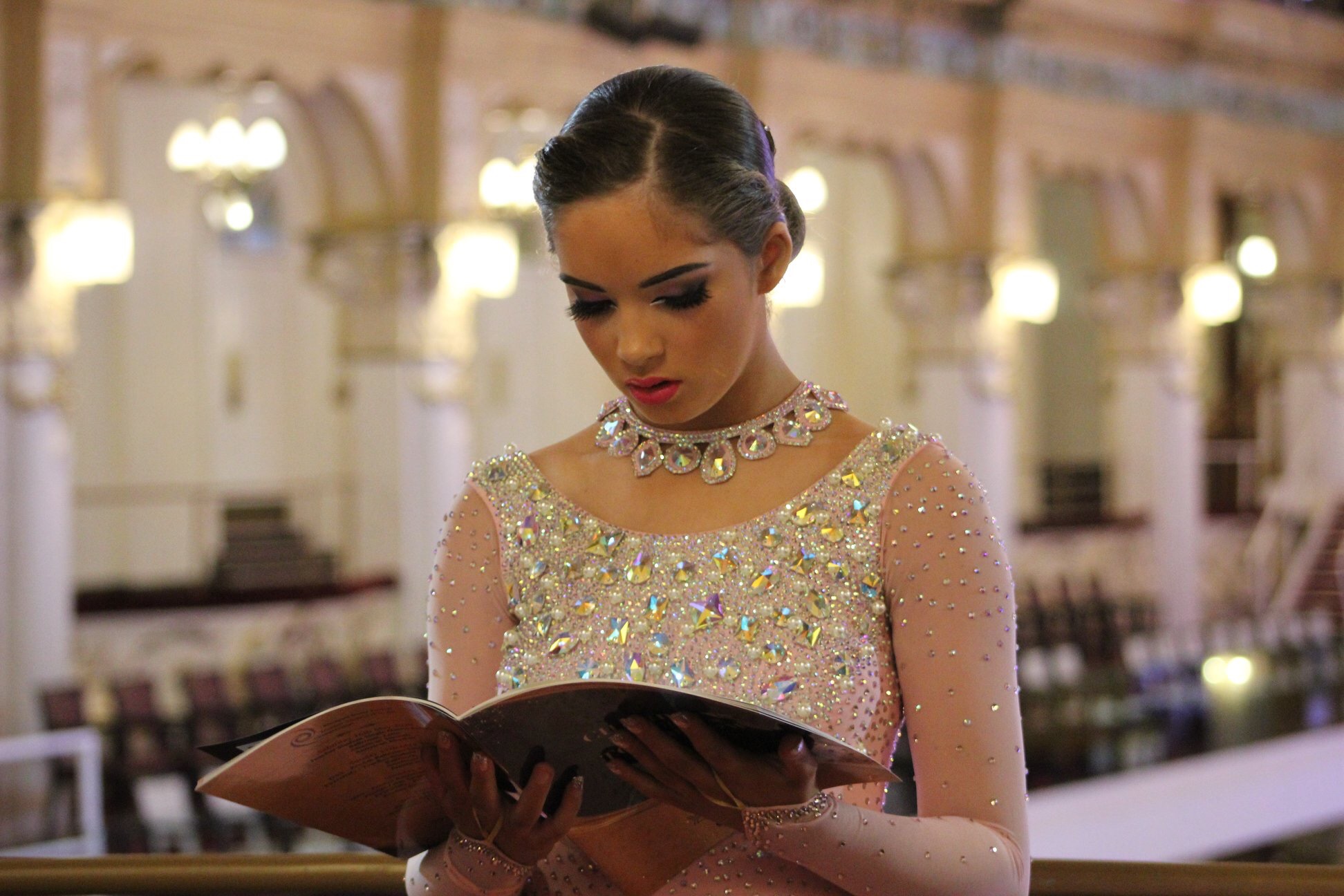
Hair should have a polished sleek sharp look, placement of the lady’s bun is crucial to enhancing the neck and head line.

Males should have a fresh hair style, ensuring that it sits right when hair products are applied. The cut is extremely important .

Makeup should be more dramatic than you would wear on a night out, remember you are on a stage, pay particular attention to the eyes.

False tan is a MUST! Be careful to apply this evenly and on all areas that are visible.

Common sense applies:

Clean

Smart

Groomed

Sharp

https://mailchi.mp/648fb44ba714/save-with-mens-ballroom-latin-dancewear-bundles-2685021

What every Ballroom Dance Teacher wants…..

  • Balance
  • Timing
  • Closing of Feet
  • Good Frame
  • Footwork
  • Musicality
  • Refine the Basics
  • Practice
  • Dedication
  • Be punctual for lessons/classes
  • Utilise Group Classes
  • Take Notes
  • Let the Teacher do the Teaching
  • Be respectful and loyal
  • Believe and trust in your teacher
  • Don’t be afraid to try a new step/routine
  • Be the best version of you
  • Stay Open Minded
  • Eliminate Conspiracy Theories
  • Take responsibility for your own results

And remember……

Teachers only get mad because they know you can do better

They can teach you, but you have to work for it too

“I can’t” is an excuse!

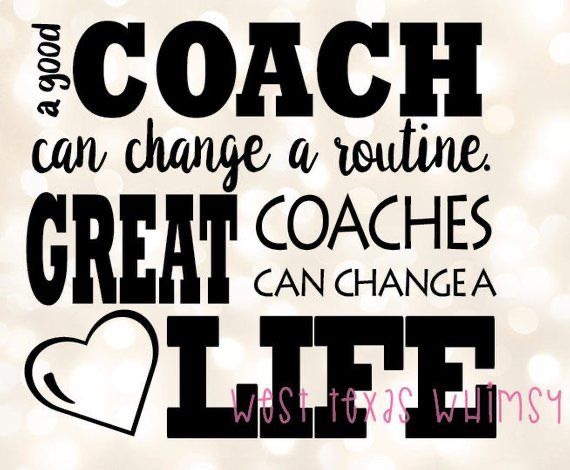
What is ‘Dance Coaching’?

Coaching is a two way communicating system which enables the ‘dancer’ to identify their goals and to take action by their own choice.

Rather than pushing or telling, it is a mechanism used to encourage the ‘coachee’ to input to their own performance.

A good coach will ask the dance couple for their opinion, what goals/targets they have and ask them to suggest how they might achieve this.

They generate greater self awareness and make the dancers realise they are responsible for their own success.

Coaches tell you what you need to hear, not what you want to hear, they make you see what you don’t want to see so you can be what you’ve always known you could be.

Country Jiving & Social Dance Classes

Date: Thursday 23rd January 2020

Time: 8.00 – 9.00pm

Venue: Academy of Dance Carlow

Fee: €60 for 6 week course

NO PARTNER REQUIRED

0872727315

National Ploughing Championships 2019

Adult Social Dancing at the Ploughing Championships #RTENationwide #Academyofdancecarlow

BODY SWAY IN BALLROOM DANCE

thX1K70D7W

Body Sway… prompted by a lesson with one of my juvenile dancers Jack last night…..

Sway is a natural inclination of the body away from the direction you are moving in. It enables you to  slow down, gain control and kill momentum.

Swaying in ballroom dance can improve the overall aesthetic look.  In order to sway, one side of the rib cage should be stretched more taking care not to compress or collapse the opposite side. Caution must be taken not to break the body line awkwardly at the waist line.


Beginners in dance should not attempt to sway until they have mastered the basic technique. Sway can be misunderstood and incorrect usage will distort your look or appearance and create  other problems such as balance etc.

You do not move your arms up and down to create sway!!!

TRUST ME…. THIS IS NOT WHAT ADJUDICATORS WANT TO SEE!!!

 What was that


A. Technical Sway

Technical sway is used on all swing figures and comes naturally from correct technique and is proportionally a result of your Swing.

Note the straight line from the left foot up through the body to the top of the head  whilst not collapsing the sides. Also note the straight line of the arms. (Step 2 of a Natural Turn).

Sway

B. Cosmetic Sway

This can be added on top of technical sway to create a more beautiful shape (manufactured movement). It is the increased use of head weight and stretch for example at the end of step 3 in a Natural Turn. Note it should not be done with out Technical Sway but only in addition. 


C. Broken Sway

This sway should not be used in moving figures but only in line figures where the feet are stationary, it is generated from tilting the upper body (e.g. in an oversway) whilst maintaining the base of the body steady.


Please see link below for more information

https://youtu.be/qmYH3FtxLw0


Timing in dance

Timing in dance is best described as moving to the beat of the music.

img_6436

In a dance competition timing should be precise and clear to the adjudicators. If you are off time the adjudicators won’t excuse you no matter how good your performance is. However, as you progress through the levels the adjudicators expect more in relation to musicality, expression and rhythm [a post for another day me thinks :)].

Understanding music will help improve your timing. For example if you listen to waltz music you can hear 1, 2, 3  1, 2, 3 throughout the piece. The first beat 1 will be stronger (accentuated) than the 2 and 3 which are lighter.  Most dance teachers will use music for beginners that emphasise the 1 beat. The object is to take 3 steps at the same time as these beats e.g. Right Foot Closed Change or  Left Foot Closed Change. Check the link below.

https://youtu.be/FxCnVHbKTRc

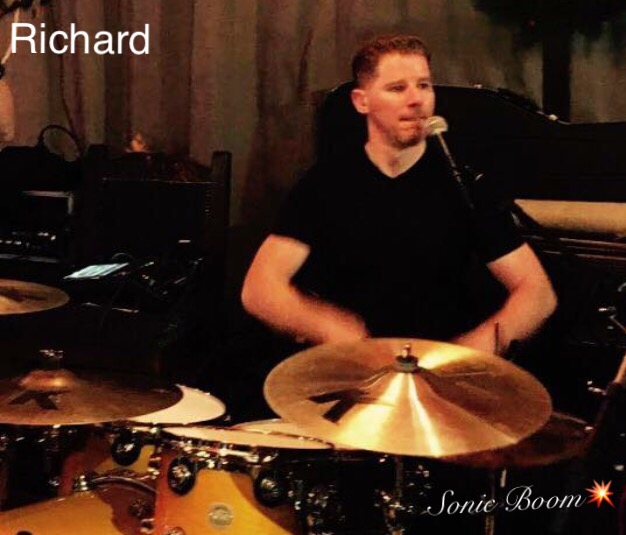
A good way to learn timing is to clap your hands  with the music before trying the steps.  Personally I give my students 2 pens or spoons (or what ever is available really) and get them to tap the 1 beat using their right hand with one pen and tap the 2, 3 beat using  their left hand and pen with the music.  I compare the 1 beat with a bang on a drum and the 2, 3 beats as taps on a cymbal……….. (ok so my brother is a drummer lol!)

BOOM TZIZT TZIZT,  BOOM TZIZT TZIZT,  BOOM TZIZT TZIZT,  BOOM TZIZT TZIZT

1, 2, 3           1, 2, 3          1, 2, 3          1, 2, 3  (4 bars of music)

Anyway that’s all for now guys, hope you are enjoying my little titbits and finding them useful, be back soon x

KEEP DANCING


SICKLE FOOT (pidgeon toed)

img_6410-1

The term sickle means ‘in the shape of the crescent moon’. Sickled feet are hideously ugly in dancers.


It should be avoided at all costs! A sickled foot not only shortens the line of the ankle to the toe, but it also misaligns the ankle when working and can lead to injury and sprains.

The foot should be effortlessly extended in line with the body’s natural alignment to give an accentuated and elongated appearance, ankles should be strong.

EXERCISE

With your foot off the floor, draw as large a circle in the air as you can with your toes, without moving the shin. Make your circle as round and full as possible, taking it slowly and not rushing. Do this 20 times, then reverse the direction. After that, do the same thing on the other foot. Most people notice that going in one direction is significantly easier than the other. This exercise will help strengthen the muscles and tendons around your ankle, preventing future injury. It’s also a good warm up before dancing.

Stand with your legs straight, and shift your balance toward the balls of the feet. Then press into the ground and feel yourself lift up onto the balls of your feet. Stand as high on the balls of your feet as you possibly can, then after a few seconds, lower yourself back down gently. Do not allow your weight to shift back to the heels too quickly. Since this exercise goes from a flat foot to a pointed foot, it is important to stretch the foot back afterward, or risk tightening the calves.

YOU CAN ALSO TRY THIS WITH A SPONGE/SOFT BALL BETWEEN YOUR ANKLES 😜


Breathing & Dance Performance


BREATHING
When you concentrate very hard, you get tense, and your ‘automatic’ system of breathing stops working! Holding your breath is so common! But breathing is so important to good dancing, you should take time to master it. The top dancers breathe quite deliberately, and incorporate it into their dance technique. You can too, and it will pay off with better dancing, better posture, and less stress on your body!

Although the brain accounts for only 2% of the whole body’s mass, it uses 20% of all the oxygen we breathe! No wonder you can’t think straight when you’re nervous on the dance floor!

Competition dancing demands that many important things ‘come together’ all at the same time.

This stress produces a ‘Fight or Flight’ response in us, which includes:

Rapid Heartbeat
Adrenaline Pumping
Sweating
Muscle Tension
Shallow Breathing or holding your breath

We must stand tall, hear the music, think on our feet, feel our partner, produce rich and beautiful movement, look relaxed, and smile!

Even though breathing happens involuntarily, you can control it, and even improve it! You want to avoid the situation where your heart is beating fast, but the blood it is pushing around doesn’t have enough oxygen to fuel your brain and muscles.

Try this……..
1. Open your mouth wide and take several deep breaths IN AND OUT, as deeply as you can. Note how shallow or deep the air goes.

2. Now CLOSE your mouth and take several deep breaths IN AND OUT only through your nose. Notice the ribcage and abdominals. Does it seem deeper, fuller?
Mouth Breathing is associated with “fight or flight” response. When we’re in danger, we open our mouths and run! This is shallow breathing, and air only reaches the upper lobes of the lungs. This is fine for anaerobic sprints, but not for the beginning or middle of a dance.

Nose Breathing is deeper, slower, and more oxygen reaches the lower lobes of the lungs. This deeper breathing slows your racing heart, helps deliver more oxygen, reduces anxiety and helps your mind focus. Also, notice how your whole torso expands when you breathe deeply through your nose. Learn from that! Try to incorporate breathing into the dance technique you’re doing.

When you are NOT dancing is a good time to practice slow, deep, nose breathing. The more you do it, the easier and more natural it becomes, and the more you can benefit from it. Try to spend more time on the exhale, getting all the air fully out of your lungs. This makes room for fresh, oxygenated air. Often the fault of breathing is in failing to exhale old air out, making room for the new!

WARM-UP BREATHING
It takes a minimum of five minutes to warm up and dilate the blood vessels in your arms and legs when you exercise. You simply cannot rush your warm-up. Emphasize long deep slow breaths through your nose when you are warming up to dance. Do low-intensity movement that mimics your dancing while inhaling and exhaling deeply. The deep breathing helps to dilate blood vessels, and oxygenate your muscles for the harder dancing to come.

A MINUTE AND A HALF OF DANCING
Have the intention of doing nose breathing throughout each dance. Your body knows exactly when you shift into anaerobic-mode, so mouth breathing is then appropriate. Don’t fight it, the important thing is just to breathe!

RECOVERY BETWEEN DANCES
In between dances you may only have 20 seconds to catch your breath, so don’t waste it with shallow mouth-breathing. Close your mouth and suck in that wonderful air through your nose! It will calm you, slow down your racing heart, replenish oxygen to your brain and muscles, and prepare you for the next dance.
Remember: “Long, slow, deep breaths.”

REMEMBERING TO BREATHE
If you know breathing is a problem for you on the dance floor, tell your partner or teacher you wish to improve on it. Ask them to monitor you in practice, and to remind you to breathe if they notice you are holding it. If you use deep nasal breathing while warming up, and in practice, and if you ask a partner to help you, it will become more of a habit.

That habit will follow you into competition… IF YOU PUT YOUR ATTENTION ON IT! Practice makes perfect, and if you repeat these new techniques every day for a month, they are likely to become permanent.

Optimal breathing can improve your dancing tremendously! Start practicing it today, and enjoy the benefits very soon! This new way of breathing may distract you for a while, but with practice, it will become a trusted ally in your dancing.